/users/cadc6a5c-00ce-49e5-ad15-b7352d2dc74d/ratecard/fishing-south-carolina-2678-mfdjp1kh.jpeg)
%2F300x300%2Fusers%2Fcadc6a5c-00ce-49e5-ad15-b7352d2dc74d%2Fratecard%2Ffishing-south-carolina-2678-mfdjp1kh.jpeg&w=256&q=75)
%2F300x300%2Fusers%2Fcadc6a5c-00ce-49e5-ad15-b7352d2dc74d%2Fimages%2Fcobia-fishing-sc-2658.jpg&w=256&q=75)
%2F300x300%2Fusers%2Fcadc6a5c-00ce-49e5-ad15-b7352d2dc74d%2Fimages%2Fredfish-south-carolina-fishing-2729.jpg&w=256&q=75)
%2F300x300%2Fusers%2Fcadc6a5c-00ce-49e5-ad15-b7352d2dc74d%2Fimages%2Ffishing-fun-south-carolina-2614.jpg&w=256&q=75)
%2F300x300%2Fusers%2Fcadc6a5c-00ce-49e5-ad15-b7352d2dc74d%2Fimages%2Fredfish-catch-south-carolina-2720.jpg&w=256&q=75)
%2F300x300%2Fusers%2Fcadc6a5c-00ce-49e5-ad15-b7352d2dc74d%2Fimages%2Fbest-great-fishing-charleston-2664.jpg&w=256&q=75)
%2F300x300%2Fusers%2Fcadc6a5c-00ce-49e5-ad15-b7352d2dc74d%2Fimages%2Fbluefish-charleston-fishing-2661.jpg&w=256&q=75)
%2F300x300%2Fusers%2Fcadc6a5c-00ce-49e5-ad15-b7352d2dc74d%2Fimages%2Fredfish-caught-charleston-2697.jpg&w=256&q=75)
%2F300x300%2Fusers%2Fcadc6a5c-00ce-49e5-ad15-b7352d2dc74d%2Fimages%2Fcharleston-fishing-crew-big-catch-2325.jpg&w=256&q=75)
%2F300x300%2Fusers%2Fcadc6a5c-00ce-49e5-ad15-b7352d2dc74d%2Fimages%2Fone-fisherman-big-catch-sc-2561.jpeg&w=256&q=75)
%2F300x300%2Fusers%2Fcadc6a5c-00ce-49e5-ad15-b7352d2dc74d%2Fimages%2Fsuccessful-fishing-trip-sc-2515.jpeg&w=256&q=75)
Charleston's Beginner-Friendly Inshore Fishing Trip
 Charleston
What you will be catching:
 Common Carp
 Redfish
 Sea Trout
 Sheepshead
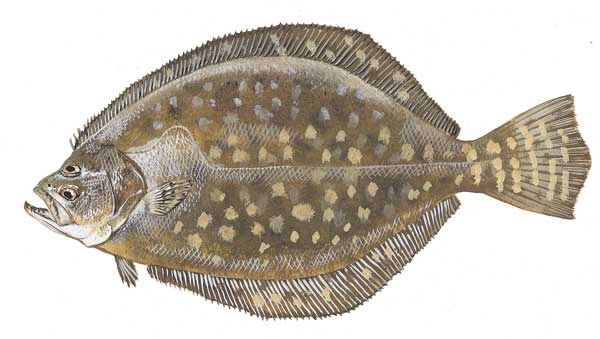 Southern Flounder
- Join Captain Brent for a relaxed 6-hour fishing adventure perfect for beginners and families. This private charter targets Charleston's best inshore species including redfish, sea trout, sheepshead, and flounder. Captain Brent takes his time teaching proper techniques, from casting to reeling in your catch. All fishing gear, live bait, and licenses are included, so you just show up ready to learn. The pace is easy-going with plenty of hands-on instruction, making it ideal for kids or anyone new to saltwater fishing. You'll fish Charleston's productive inshore waters while building real fishing skills that'll last long after your trip ends.
Trip Pricing and Availabilities:
6-Hour Charleston Inshore Fishing Adventure
Looking to get your feet wet in Charleston's world-class inshore fishing scene? Captain Brent's 6-hour private charter is exactly what you need. This isn't some rushed tourist trip – it's a genuine learning experience designed for folks who want to understand what makes Charleston's shallow waters so special. Whether you're bringing the kids for their first real fishing adventure or you've always wanted to try but never knew where to start, this trip breaks everything down without making you feel like a total rookie. You'll spend quality time targeting the Holy Grail of Charleston inshore species – redfish, sea trout, flounder, and sheepshead – while learning techniques that'll serve you well for years to come.
What to Expect on the Water
Captain Brent keeps things relaxed and educational, which is perfect when you're trying to wrap your head around reading water, understanding tides, and figuring out why fish behave the way they do. This is a private charter, so you won't be elbow-to-elbow with strangers or rushing through spots because someone else is getting impatient. The 6-hour window gives you real time to settle in, try different techniques, and actually retain what you're learning. You'll start in the protected creeks and grass flats where Charleston's inshore magic happens – shallow water that looks simple but holds surprising complexity once you know what to look for. Captain Brent provides all your gear, live bait, and handles the licensing, so your only job is showing up ready to learn and have fun. The boat stays comfortable even with light chop, and there's plenty of shade when you need a break from the Carolina sun.
Techniques and Tackle
Inshore fishing in Charleston is all about finesse and reading the environment, not just chucking bait and hoping for the best. Captain Brent will walk you through sight fishing techniques when conditions allow – there's nothing quite like watching a redfish cruise through knee-deep water and learning to present your bait just right. You'll work with live shrimp, finger mullet, and mud minnows depending on what the fish are keying in on that day. The tackle stays light and manageable, typically spinning gear in the 2500-3000 size range with 15-20 pound braid. You'll learn to work soft plastics around structure, understand why certain tides produce better than others, and pick up the subtle art of reading water color and grass lines. Bottom fishing comes into play when targeting flounder and sheepshead around docks and oyster bars, where you'll discover how important it is to feel the difference between a fish bite and just dragging bottom. Captain Brent takes time to explain why you're fishing specific spots rather than just moving from place to place.
Species You'll Want to Hook
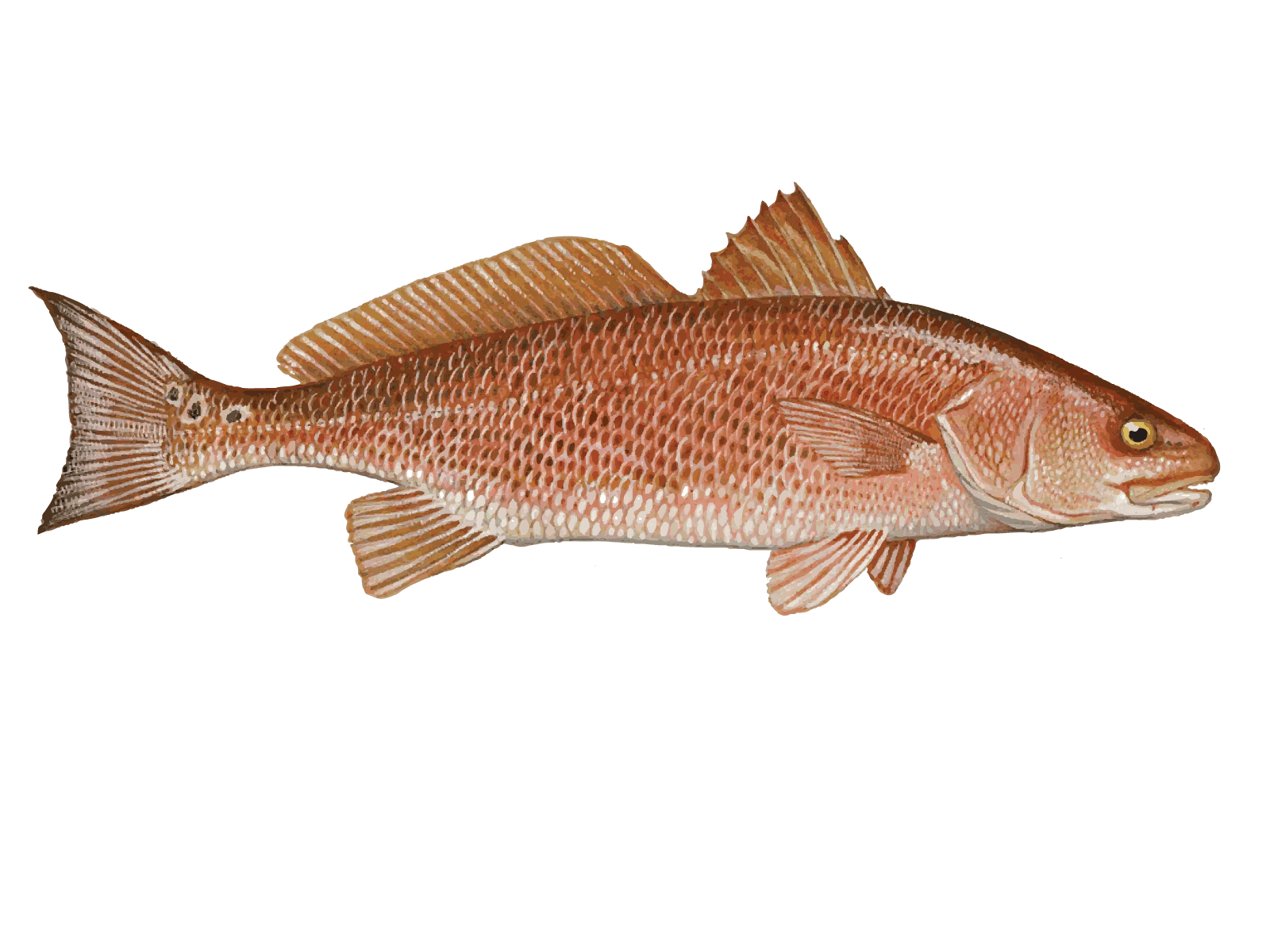
Redfish are the crown jewel of Charleston inshore fishing, and for good reason. These copper-colored bruisers average 20-27 inches in our waters and fight with surprising strength for their size. They're most active during moving tides, especially around oyster bars and grass flats where they hunt for crabs and shrimp. What makes reds so exciting for beginners is their aggressive feeding style – when they want your bait, they really want it. Fall and spring offer the most consistent action, but Charleston's mild winters keep them biting year-round. The thrill of watching a red drum inhale your offering in shallow water never gets old, even for seasoned anglers.
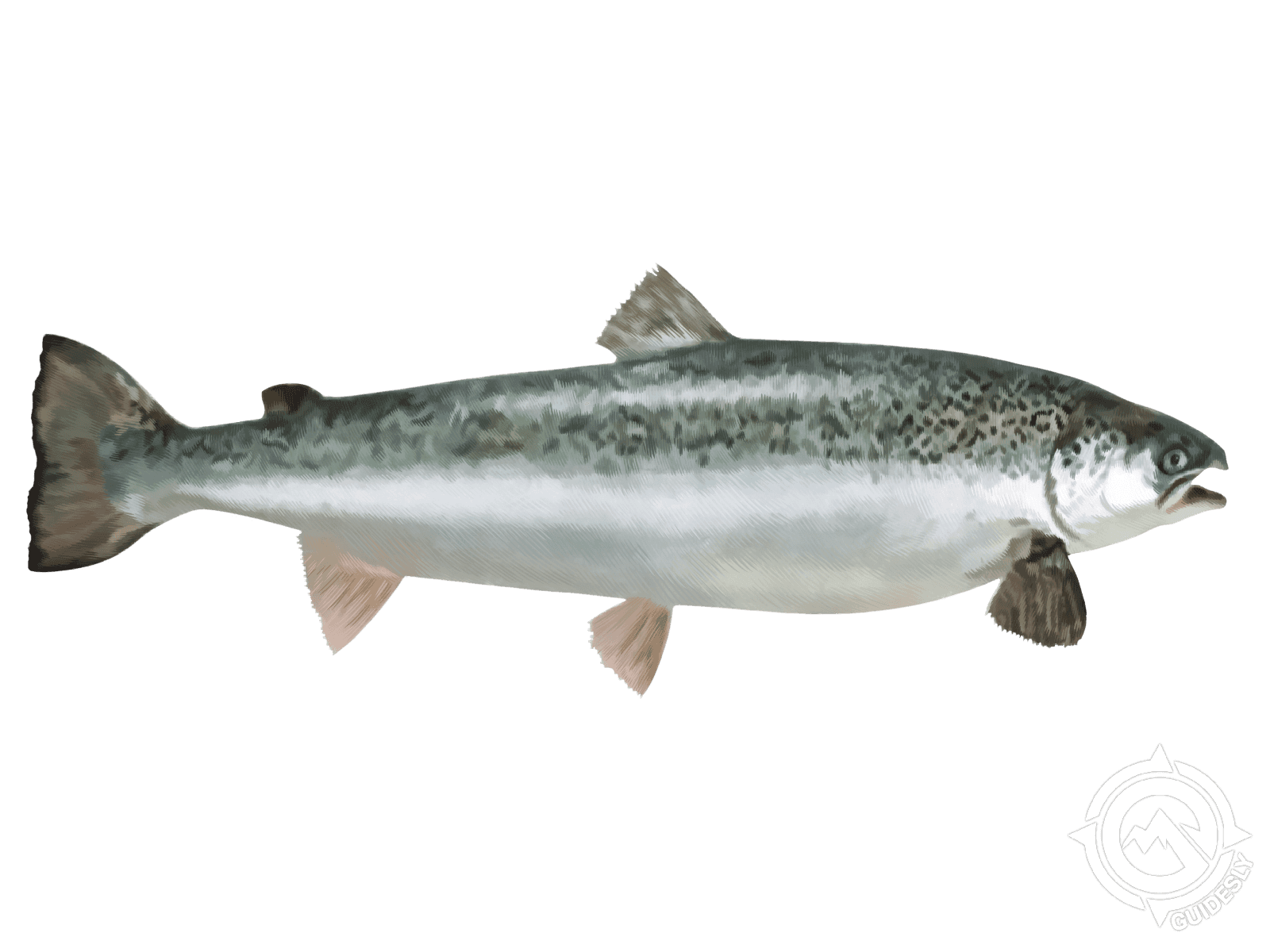
Sea Trout provide steady action and are incredibly forgiving for new anglers still working on their technique. These spotted beauties typically run 14-18 inches around Charleston and love grass flats during incoming tides. They hit soft plastics with enthusiasm and don't require perfect presentations to trigger strikes. Trout fishing teaches you to work lures with subtle action rather than aggressive jigging – a skill that translates to targeting other species. They're most active during warmer months but remain catchable through mild winter days when you find them holding in deeper holes.
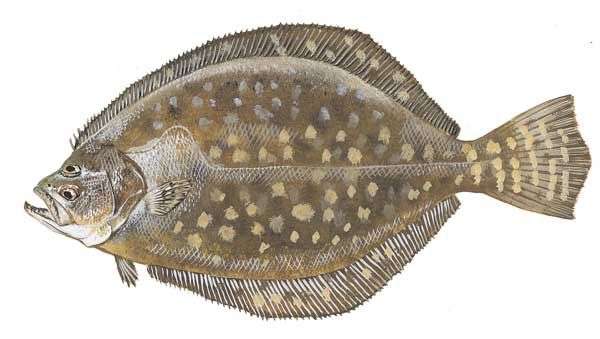
Southern Flounder are the masters of disguise in Charleston's waters, lying flat on sandy bottoms waiting to ambush passing prey. Most run 16-20 inches, though larger "doormat" flounder over 5 pounds show up regularly around deeper creek bends and dock pilings. They require patience and bottom fishing skills, teaching beginners to detect subtle bites that feel more like weight than aggressive strikes. Summer brings the best flounder action as they move into shallow creeks to feed, making them perfect targets during longer daylight hours.
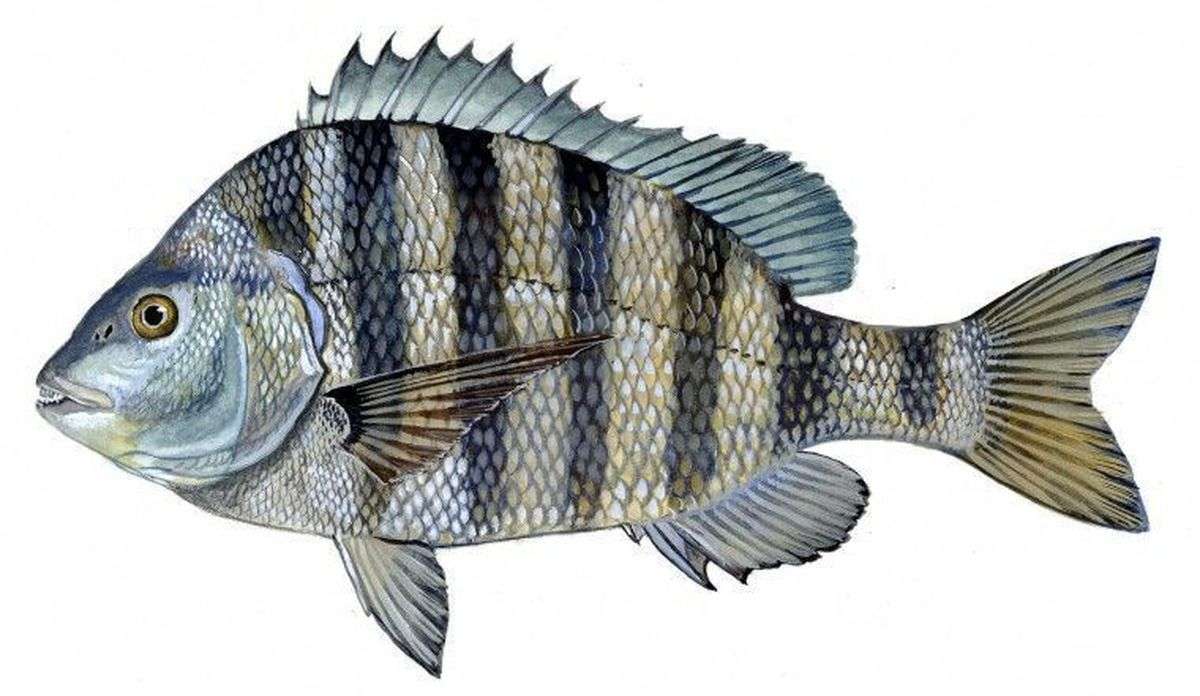
Sheepshead earn their nickname as "convict fish" with distinctive black stripes, but their reputation as bait stealers is well-deserved. These 12-16 inch members of the porgy family hang around oyster structure and have incredibly strong jaws designed for crushing shellfish. They teach beginners the importance of sharp hooks and quick hooksets, since they're notorious for picking baits clean without getting hooked. Winter months actually provide some of the best sheepshead fishing as they school up around deeper structure.
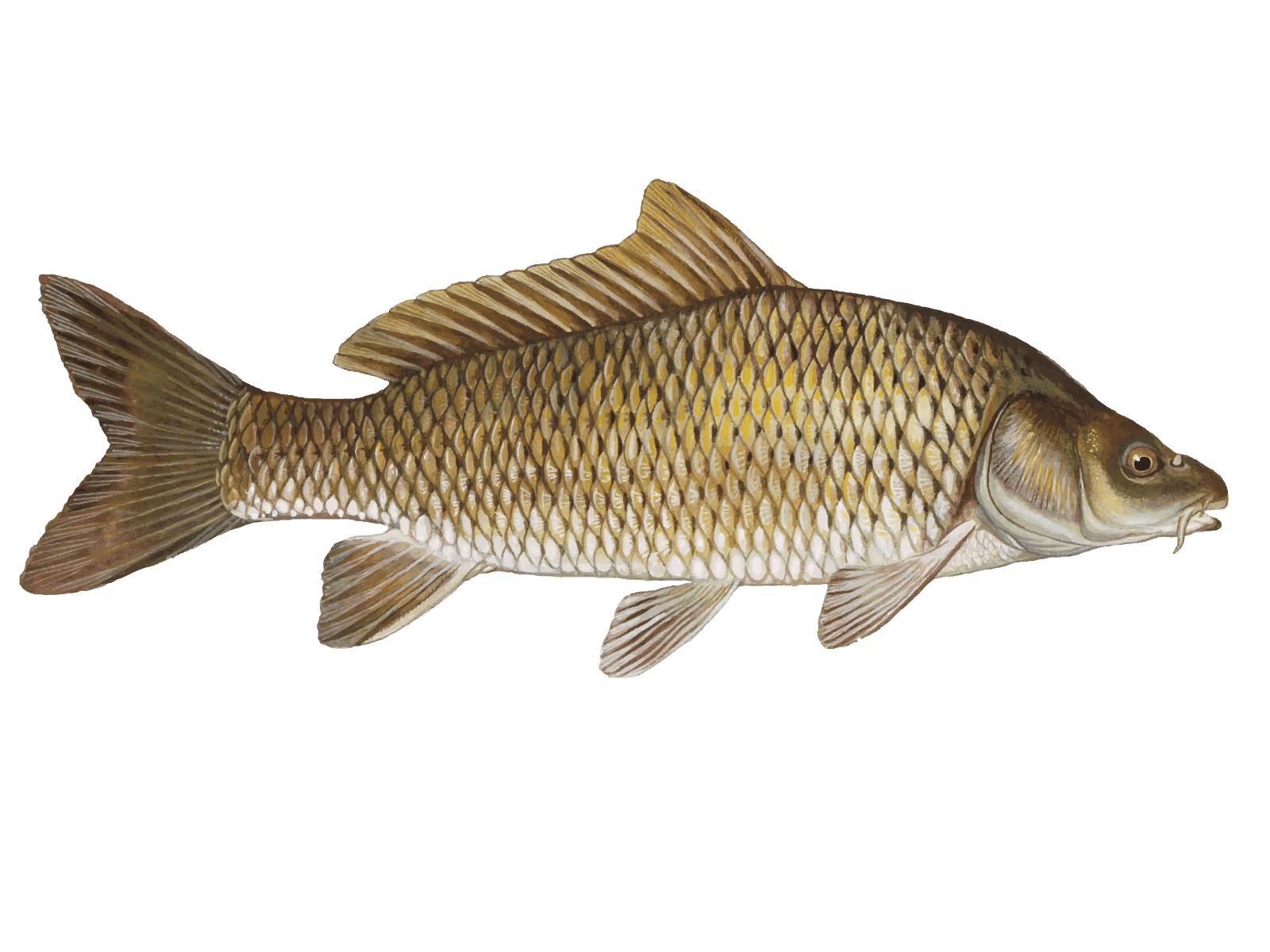
Common Carp might surprise you as a target species, but Charleston's tidal creeks hold some impressive specimens that provide excellent light-tackle fun. These hard-fighting fish average 3-8 pounds and test your drag system with long runs. They're opportunistic feeders that respond well to various baits and offer great action when traditional inshore species are being finicky. Carp fishing teaches patience and line management skills while providing consistent action throughout the year.
Time to Book Your Spot
Captain Brent's 6-hour beginner-friendly charter gives you everything needed to understand why Charleston inshore fishing has such a devoted following. You'll leave with practical skills, confidence on the water, and probably a few fish stories worth sharing. The private charter format means learning at your own pace without pressure, while the extended time frame lets you experience different fishing styles and locations. This isn't just a fishing trip – it's an investment in future adventures and a genuine introduction to one
Learn more about the animals
Common Carp
While we focus mainly on our saltwater species here in Charleston, common carp do show up in some of our freshwater ponds and slow-moving rivers inland. These golden-brown fish are built like tanks, averaging 10-20 pounds with some real giants pushing 30+ pounds. They're bottom feeders with whisker-like barbels that help them root around in mud and vegetation for insects, crawfish, and plant matter. Spring and fall bring the most active feeding when water temps hit that 70-80 degree sweet spot. What surprises first-time carp anglers is their incredible fighting power - they'll make long runs and wear you out. They're not great table fare, but they're pure fun on light tackle. Most folks don't realize we have them locally, but they offer a different kind of challenge from our usual inshore targets. Best tip: use corn or bread balls on hair rigs, stay quiet, and be patient. These fish spook easily but fight like nothing else in freshwater.
Redfish
Redfish are Charleston's signature species - copper-colored beauties with that telltale black spot near their tail. These fish run the gamut from schooling "rat reds" around 16-20 inches up to hefty 30+ inch bulls that'll test your gear. Around here, we find them in everything from 6-inch skinny water to deeper creek channels and oyster bars. They're year-round residents, but fall brings the best action when they school up on the flats during low tides. What guests love most is watching these fish cruise shallow water with their backs exposed - it's pure sight fishing at its finest. They're also fantastic table fare up to about 27 inches. Redfish fight hard with long runs and aren't shy about hitting artificials or live bait. Pro tip: in really shallow water, approach quietly and cast past cruising fish, then work your bait back into their path. Spook one and you've likely spooked the whole school.
Sea Trout
Spotted sea trout, or "specks" as we call them locally, are Charleston's most reliable inshore species. These silvery fish with distinctive black spots typically run 14-18 inches, with nice keepers around 2-3 pounds. You'll find them over grass flats, around creek mouths, and near oyster bars in 2-8 feet of water. They love structure but also cruise open flats hunting shrimp and small baitfish. Spring and fall offer the best action, especially during moving tides at dawn and dusk. Summer nights can be magic for big trout in shallow water. What makes them fun is their willingness to hit both live bait and artificials - they're perfect for teaching new anglers. The meat is delicate and flaky, but don't overcook it. My local secret: look for slicks on calm mornings where they're feeding below. Throw a topwater plug or live shrimp under a popping cork and hang on.
Sheepshead
Sheepshead are one of Charleston's most distinctive fish - you'll recognize them instantly by their black and white "convict" stripes and human-like front teeth they use to crush barnacles and crabs. These guys average 2-4 pounds around our docks, bridges, and oyster bars, though we see some chunky 8-10 pounders too. They're structure fish through and through, so we target them around any pilings, jetties, or rocky areas in 5-20 feet of water. Spring spawning runs from March through May bring the best action when they school up. Guests love the challenge - sheepshead are notorious bait thieves with light bites that'll test your skills. But the reward is worth it: firm, white meat that's hard to beat on the dinner table. Here's the trick I share with everyone: use small hooks with fiddler crabs and keep your bait tight to the structure. The second you feel weight, set that hook hard!
Southern Flounder
Southern Flounder are masters of disguise - these flatfish bury themselves in sand and mud bottoms, waiting to ambush shrimp, crabs, and small baitfish. They're easy to spot by their unique feature: both eyes on the left side of their head. Most run 15-18 inches around Charleston's inshore waters, but we catch some nice ones up to 25 inches in our shallow bays and creek mouths. Fall and winter are prime time when they move toward deeper channels before heading offshore to spawn. What makes them special is their incredible camouflage ability - they actually change colors to match the bottom. For beginners, they're forgiving fighters and make excellent table fare with sweet, white meat. My go-to tip: when drift fishing, let your bait hit bottom then lift it just a foot or two. Flounder rarely chase food far from their hiding spots.
About the 220 Bay Scout (Bay boat)
Vehicle Guest Capacity: 6
Manufacturer Name: Yamaha
Maximum Cruising Speed: 35
Number of Engines: 1
Horsepower per Engine: 200