/users/cadc6a5c-00ce-49e5-ad15-b7352d2dc74d/ratecard/redfish-south-carolina-fishing-2729-mfdj4upt.jpeg)
%2F300x300%2Fusers%2Fcadc6a5c-00ce-49e5-ad15-b7352d2dc74d%2Fratecard%2Fredfish-south-carolina-fishing-2729-mfdj4upt.jpeg&w=256&q=75)
%2F300x300%2Fusers%2Fcadc6a5c-00ce-49e5-ad15-b7352d2dc74d%2Fimages%2Fcobia-fishing-sc-2658.jpg&w=256&q=75)
%2F300x300%2Fusers%2Fcadc6a5c-00ce-49e5-ad15-b7352d2dc74d%2Fimages%2Fredfish-south-carolina-fishing-2729.jpg&w=256&q=75)
%2F300x300%2Fusers%2Fcadc6a5c-00ce-49e5-ad15-b7352d2dc74d%2Fimages%2Ffishing-fun-south-carolina-2614.jpg&w=256&q=75)
%2F300x300%2Fusers%2Fcadc6a5c-00ce-49e5-ad15-b7352d2dc74d%2Fimages%2Fredfish-catch-south-carolina-2720.jpg&w=256&q=75)
%2F300x300%2Fusers%2Fcadc6a5c-00ce-49e5-ad15-b7352d2dc74d%2Fimages%2Fbest-great-fishing-charleston-2664.jpg&w=256&q=75)
%2F300x300%2Fusers%2Fcadc6a5c-00ce-49e5-ad15-b7352d2dc74d%2Fimages%2Fbluefish-charleston-fishing-2661.jpg&w=256&q=75)
%2F300x300%2Fusers%2Fcadc6a5c-00ce-49e5-ad15-b7352d2dc74d%2Fimages%2Fredfish-caught-charleston-2697.jpg&w=256&q=75)
%2F300x300%2Fusers%2Fcadc6a5c-00ce-49e5-ad15-b7352d2dc74d%2Fimages%2Fcharleston-fishing-crew-big-catch-2325.jpg&w=256&q=75)
%2F300x300%2Fusers%2Fcadc6a5c-00ce-49e5-ad15-b7352d2dc74d%2Fimages%2Fone-fisherman-big-catch-sc-2561.jpeg&w=256&q=75)
%2F300x300%2Fusers%2Fcadc6a5c-00ce-49e5-ad15-b7352d2dc74d%2Fimages%2Fsuccessful-fishing-trip-sc-2515.jpeg&w=256&q=75)
Charleston's Best Half-Day Inshore Fishing Trip
 Charleston
What you will be catching:
 Common Carp
 Redfish
 Sea Trout
 Sheepshead
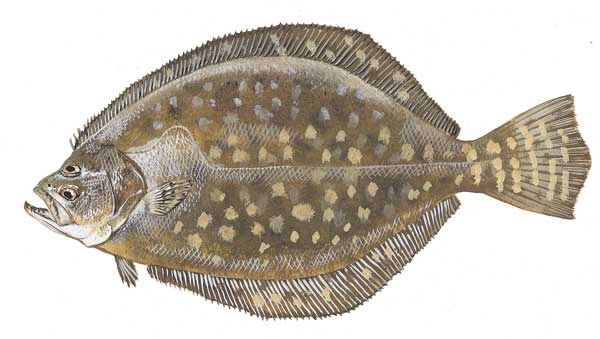 Southern Flounder
- Captain Brent runs a solid 4-hour inshore fishing trip that's perfect when you're short on time but want to get into some good fish. You'll be targeting redfish, sea trout, flounder, black drum, and sheepshead in Charleston's productive inshore waters. Everything's included
- rods, tackle, live bait, and your fishing license. The captain times each trip around the tides and weather to give you the best shot at success. It's a private charter, so you get personalized attention and can fish at your own pace. The boat handles up to 6 anglers, starting at $500 for the first person and $50 for each additional angler.
Trip Pricing and Availabilities:
Half Day Afternoon Fishing in Charleston Waters
There's something special about getting out on Charleston's inshore waters when you've only got half a day to spare. Captain Brent's afternoon trips are perfect for folks who want to experience some of the best fishing South Carolina has to offer without committing to a full day on the water. You'll spend four solid hours targeting the species that make our lowcountry waters famous – redfish, sea trout, flounder, black drum, and sheepshead. This isn't just a fishing trip; it's your chance to see why Charleston consistently ranks as one of the top inshore fishing destinations on the East Coast.
What to Expect on the Water
Captain Brent knows these waters like the back of his hand, and he'll put you on fish based on what's biting best that day. The beauty of afternoon trips is that you're fishing during prime feeding times when the water temperature is just right and the fish are actively hunting. We're talking about exploring grass flats, working oyster bars, and maybe even sneaking into some creek mouths where the big ones like to ambush baitfish. The trip is completely private, so whether you're a seasoned angler or picking up a rod for the first time, Captain Brent can tailor the experience to match your skill level. You'll be fishing from a well-equipped boat that can handle Charleston's varied inshore terrain, from shallow flats to deeper channels. The timing of your departure depends entirely on tidal movement and weather conditions – Captain Brent schedules trips when conditions give you the best shot at success, not just when it's convenient.
Gear and Game Plan
Everything you need comes with the trip – quality rods, reels, tackle, live bait, and your fishing license. Captain Brent stocks his boat with the right gear for whatever species you're targeting that day. If the redfish are schooling in shallow water, you'll be throwing spoons and soft plastics. When the trout are hitting, expect to work with live shrimp under popping corks. For flounder, you might be bouncing jigs along the bottom or working mud minnows near structure. The live bait selection changes based on what's working best, but you can count on having the right ammunition for whatever's biting. The techniques vary depending on conditions – some days you're sight fishing in crystal clear water, other days you're working by feel in slightly stained conditions. Captain Brent reads the water and adjusts the approach accordingly, whether that means working the incoming tide on oyster bars or hitting grass flats during the slack.
Species You'll Want to Hook
Southern Flounder are the ultimate ambush predators in these waters. These flatfish bury themselves in sandy bottoms near creek mouths and channel edges, waiting for unsuspecting baitfish to swim by. Fall months from September through November are absolute prime time for doormat flounder, with fish pushing 20+ inches showing up regularly. What makes flounder fishing so addictive is the subtle bite – you've got to develop a feel for that gentle tap that signals a fish has picked up your bait. When you set the hook on a big flounder, you'll feel that distinct head shake before they make their run toward structure.
Sheepshead fishing around Charleston is like playing chess with a fish that has human-like teeth. These black and white striped fighters hang around oyster bars, dock pilings, and any structure where they can pick off barnacles and crabs. Winter months from December through March bring the best sheepshead action, when big spawning fish move into the area. They're notorious bait stealers – you'll swear you felt nothing, then reel in a bare hook. But when you time it right and feel that distinctive tap-tap-tap, setting the hook on a sheepshead gives you one of the hardest fights pound-for-pound in inshore waters.
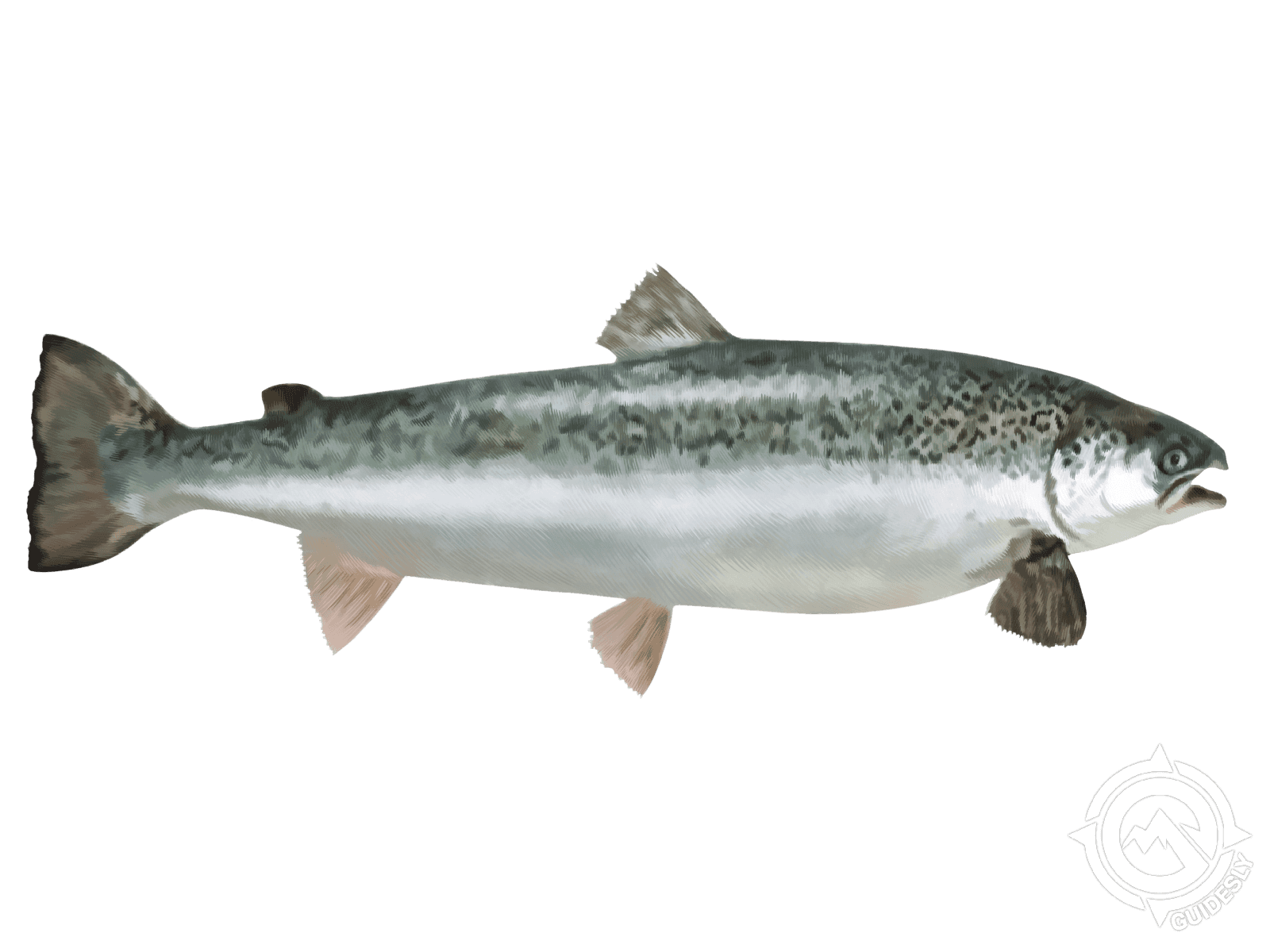
Sea Trout are the bread and butter of Charleston inshore fishing, and for good reason. These spotted beauties are aggressive feeders that hit everything from live shrimp to topwater plugs. Spring and fall months offer the most consistent trout fishing, with fish ranging from schoolie size up to gator trout pushing 25+ inches. What keeps anglers coming back for sea trout is their willingness to bite and the variety of ways you can catch them. Work a popping cork over grass flats, throw a soft plastic along a channel edge, or even top water fish during low light conditions.
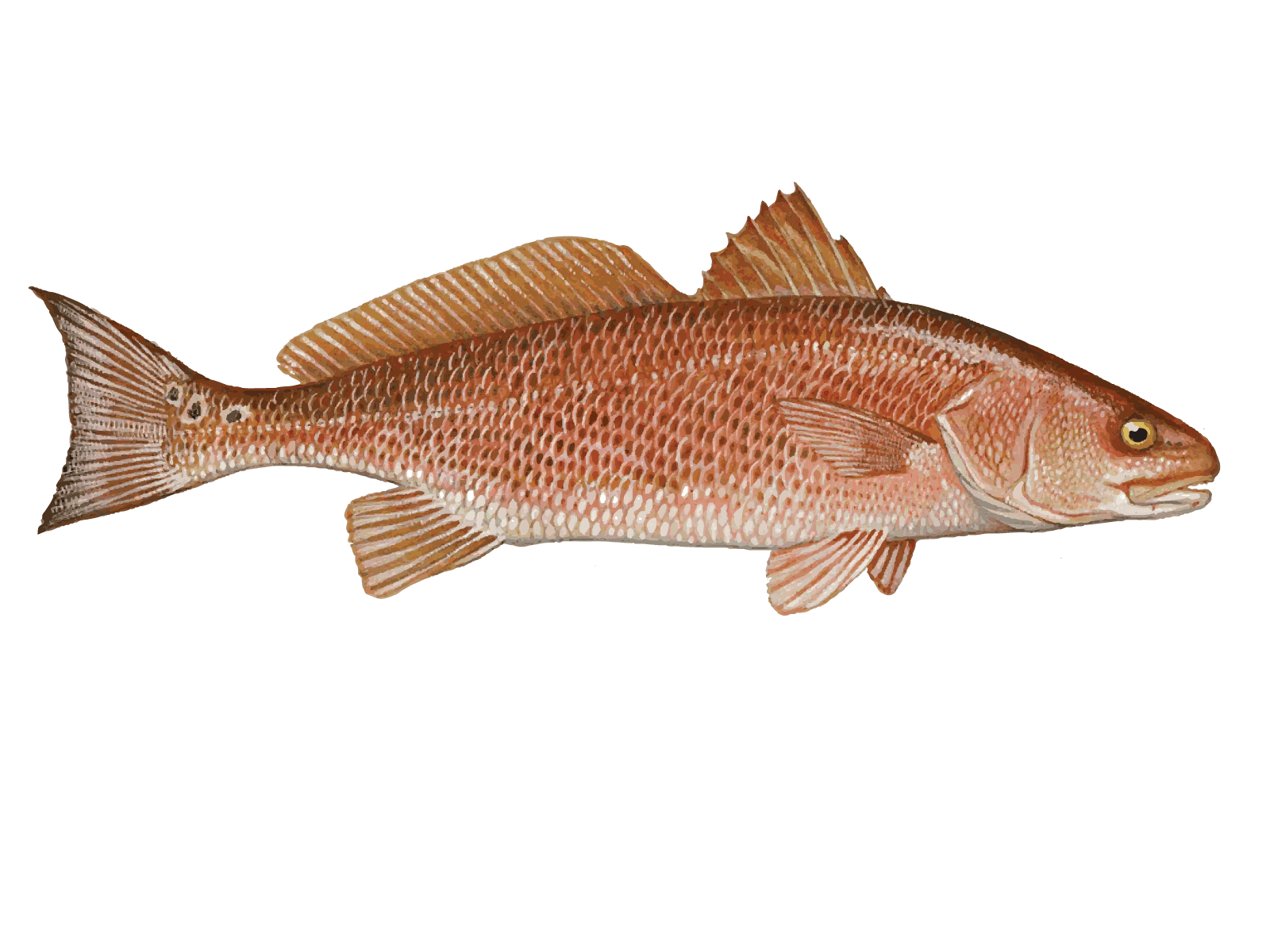
Redfish are the crown jewel of Charleston inshore fishing. These copper-colored bruisers patrol everything from shallow oyster bars to deeper channels, and when you hook into a bull red, you'll understand why they're called the fish of 10,000 casts. Fall brings some of the best redfish action, particularly September and October when big schools move through the area. Slot-size reds between 15-23 inches are perfect for the dinner table, while the big bulls over 27 inches provide photo opportunities and bragging rights before you release them to fight another day.
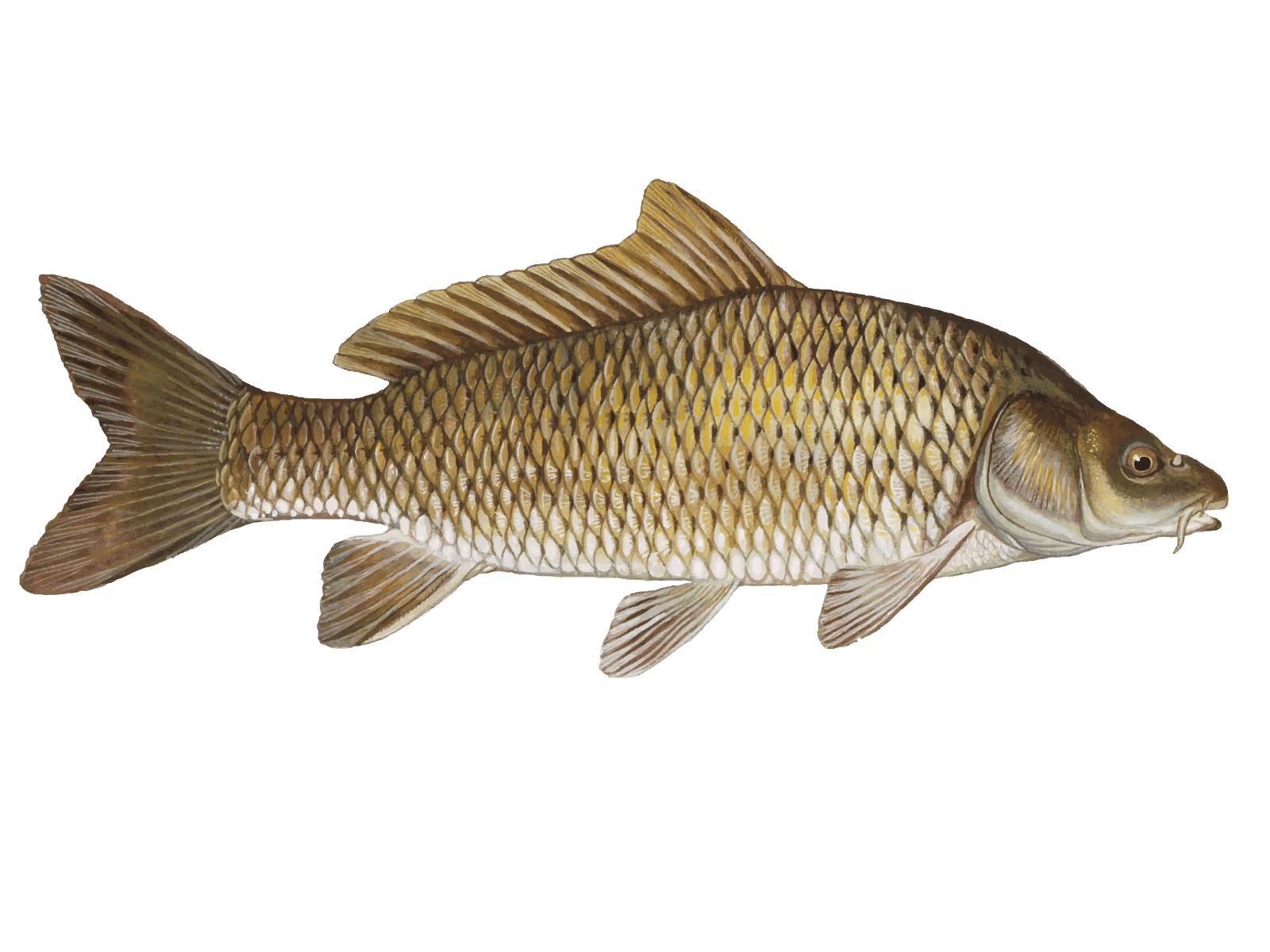
Common Carp might surprise you in Charleston waters, but these hardy fighters show up in the upper reaches of our tidal creeks and provide some unexpected action. While they're not the primary target species, when you hook into a big carp on light tackle meant for trout, you're in for a battle. They're particularly active during warmer months and can provide steady action when other species are being finicky. Don't underestimate the fight these fish put up – they're strong, stubborn, and will test your drag system.
Time to Book Your Spot
Captain Brent's half-day afternoon trips offer the perfect balance of quality fishing time without eating up your entire day. At $500 for your first angler and $50 for each additional person up to six total, you're getting access to some of the most productive inshore waters on the East Coast with a captain who knows exactly where to put you on fish. The timing flexibility based on tides and conditions means you're not just going
Learn more about the animals
Common Carp
Common carp aren't typical for our Charleston saltwater trips, but they show up occasionally in brackish areas and nearby freshwater spots. These golden, stocky fighters average 15-30 inches and 4-15 pounds, with some reaching much larger sizes. They're bottom feeders that love slow-moving or still waters with muddy bottoms. Spring and fall are best when they're actively feeding in shallower areas. What surprises guests is their incredible strength - they'll bend your rod and test your drag like few freshwater fish can. While not prized for eating here in the States, they're challenging sport fish. They're extremely spooky, so stealth is key. The trick is using corn, bread, or dough balls on a hair rig, letting it sit motionless on the bottom, and being patient - when they finally take it, hang on tight.
Redfish
Redfish are the kings of Charleston's shallow water, cruising oyster bars, creek mouths, and grass flats in just 1-4 feet. These copper-colored bruisers typically run 18-27 inches with that distinctive black spot near their tail. They're year-round residents here, but fall and spring offer the hottest action when they school up. What hooks guests is their aggressive strikes and bulldogging fights - they'll pull drag and make long runs. Plus, they're excellent table fare with firm, mild flesh. Redfish aren't picky eaters, hitting everything from live shrimp to topwater plugs. Look for them tailing in skinny water during high tide or around structure on the drop. My best advice: when you see their backs or tails in shallow water, cast well ahead of them and work your bait slowly into their path.
Sea Trout
Spotted sea trout are some of our most reliable inshore targets, running 14-20 inches and putting up a solid fight on light tackle. You'll find them over grass flats and around oyster bars in 2-8 feet of water, especially during moving tides. Spring through fall offers the best action, with early morning and evening being prime time. What makes trout special is their willingness to hit both live bait and artificials - they're great for beginners but challenging enough for seasoned anglers. The white, flaky meat is fantastic eating too, just don't overcook it. Cold fronts often fire up the bite as they school up in deeper holes and creek mouths. Pro tip: when fishing grass flats, use a popping cork with live shrimp about 18 inches below - the noise draws them in from a distance and keeps your bait off the bottom.
Sheepshead
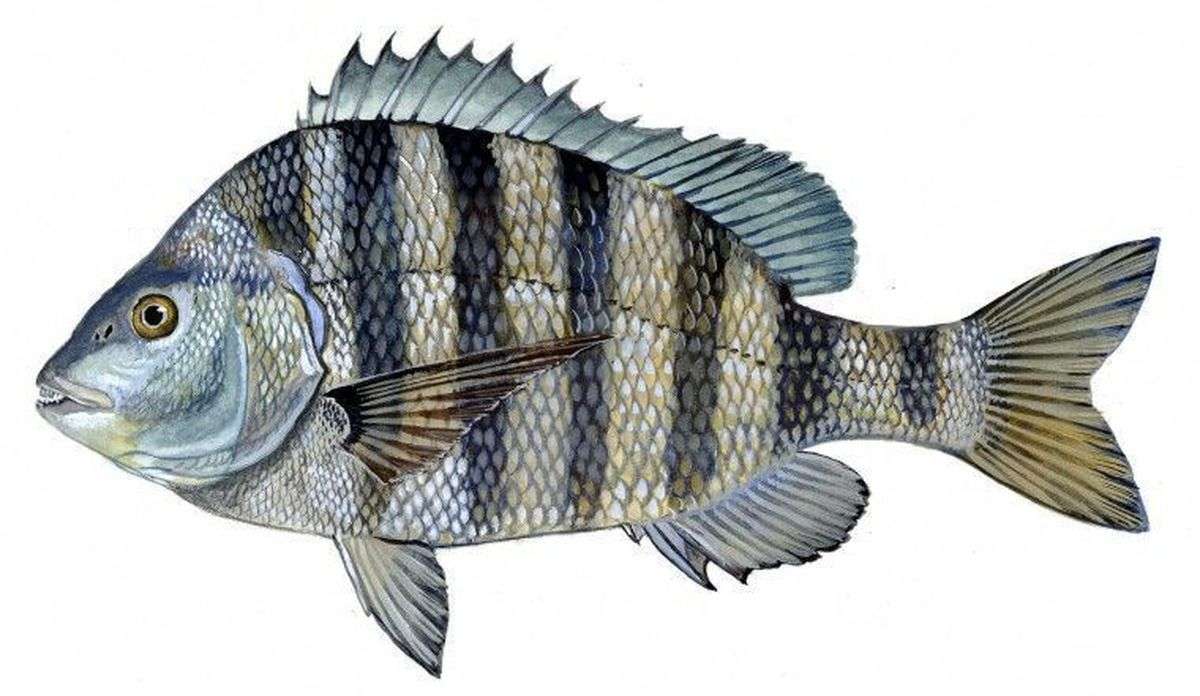
Sheepshead are the ultimate structure fish, hanging tight around dock pilings, bridges, and oyster bars where they munch on barnacles and crabs. These black-and-white striped fighters typically run 1-5 pounds and 14-18 inches, but you might hook into a 20-pounder if you're lucky. Spring is prime time when they're spawning around structures, though they bite year-round in Charleston's waters. What guests love most is their notorious reputation as bait thieves - they'll test your reflexes with those human-like teeth. The sweet, flaky meat makes them excellent table fare too. Here's the deal: use small hooks with fresh shrimp or fiddler crabs, get your bait right against the structure, and when you feel that subtle nibble, set the hook hard and fast. They'll steal your bait all day if you hesitate.
Southern Flounder
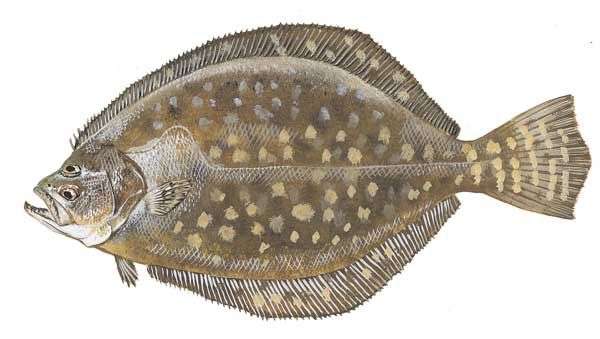
These flatfish are masters of disguise, lying buried in sand and mud waiting to ambush prey. You'll typically find them in 15-18 inches, though some reach over 30 inches. They love shallow bays, creeks, and marsh edges where they can camouflage perfectly. Fall and winter are prime time when they're feeding heavily before heading offshore to spawn. What makes flounder fishing so rewarding is the challenge - they're sneaky biters and incredible table fare with sweet, flaky white meat. The key is fishing slowly along the bottom with live minnows or shrimp. My go-to trick is using a Carolina rig and letting your bait sit still - when you feel that subtle tap-tap, count to three before setting the hook since they like to grab bait sideways first.
About the 220 Bay Scout (Bay boat)
Vehicle Guest Capacity: 6
Manufacturer Name: Yamaha
Maximum Cruising Speed: 35
Number of Engines: 1
Horsepower per Engine: 200