/users/cadc6a5c-00ce-49e5-ad15-b7352d2dc74d/ratecard/rc3.jpg)
%2F300x300%2Fusers%2Fcadc6a5c-00ce-49e5-ad15-b7352d2dc74d%2Fratecard%2Frc3.jpg&w=256&q=75)
%2F300x300%2Fusers%2Fcadc6a5c-00ce-49e5-ad15-b7352d2dc74d%2Fimages%2Fcobia-fishing-sc-2658.jpg&w=256&q=75)
%2F300x300%2Fusers%2Fcadc6a5c-00ce-49e5-ad15-b7352d2dc74d%2Fimages%2Fredfish-south-carolina-fishing-2729.jpg&w=256&q=75)
%2F300x300%2Fusers%2Fcadc6a5c-00ce-49e5-ad15-b7352d2dc74d%2Fimages%2Ffishing-fun-south-carolina-2614.jpg&w=256&q=75)
%2F300x300%2Fusers%2Fcadc6a5c-00ce-49e5-ad15-b7352d2dc74d%2Fimages%2Fredfish-catch-south-carolina-2720.jpg&w=256&q=75)
%2F300x300%2Fusers%2Fcadc6a5c-00ce-49e5-ad15-b7352d2dc74d%2Fimages%2Fbest-great-fishing-charleston-2664.jpg&w=256&q=75)
%2F300x300%2Fusers%2Fcadc6a5c-00ce-49e5-ad15-b7352d2dc74d%2Fimages%2Fbluefish-charleston-fishing-2661.jpg&w=256&q=75)
%2F300x300%2Fusers%2Fcadc6a5c-00ce-49e5-ad15-b7352d2dc74d%2Fimages%2Fredfish-caught-charleston-2697.jpg&w=256&q=75)
%2F300x300%2Fusers%2Fcadc6a5c-00ce-49e5-ad15-b7352d2dc74d%2Fimages%2Fcharleston-fishing-crew-big-catch-2325.jpg&w=256&q=75)
%2F300x300%2Fusers%2Fcadc6a5c-00ce-49e5-ad15-b7352d2dc74d%2Fimages%2Fone-fisherman-big-catch-sc-2561.jpeg&w=256&q=75)
%2F300x300%2Fusers%2Fcadc6a5c-00ce-49e5-ad15-b7352d2dc74d%2Fimages%2Fsuccessful-fishing-trip-sc-2515.jpeg&w=256&q=75)
Charleston's Premier 6-Hour Nearshore Reef Charter
 Charleston
What you will be catching:
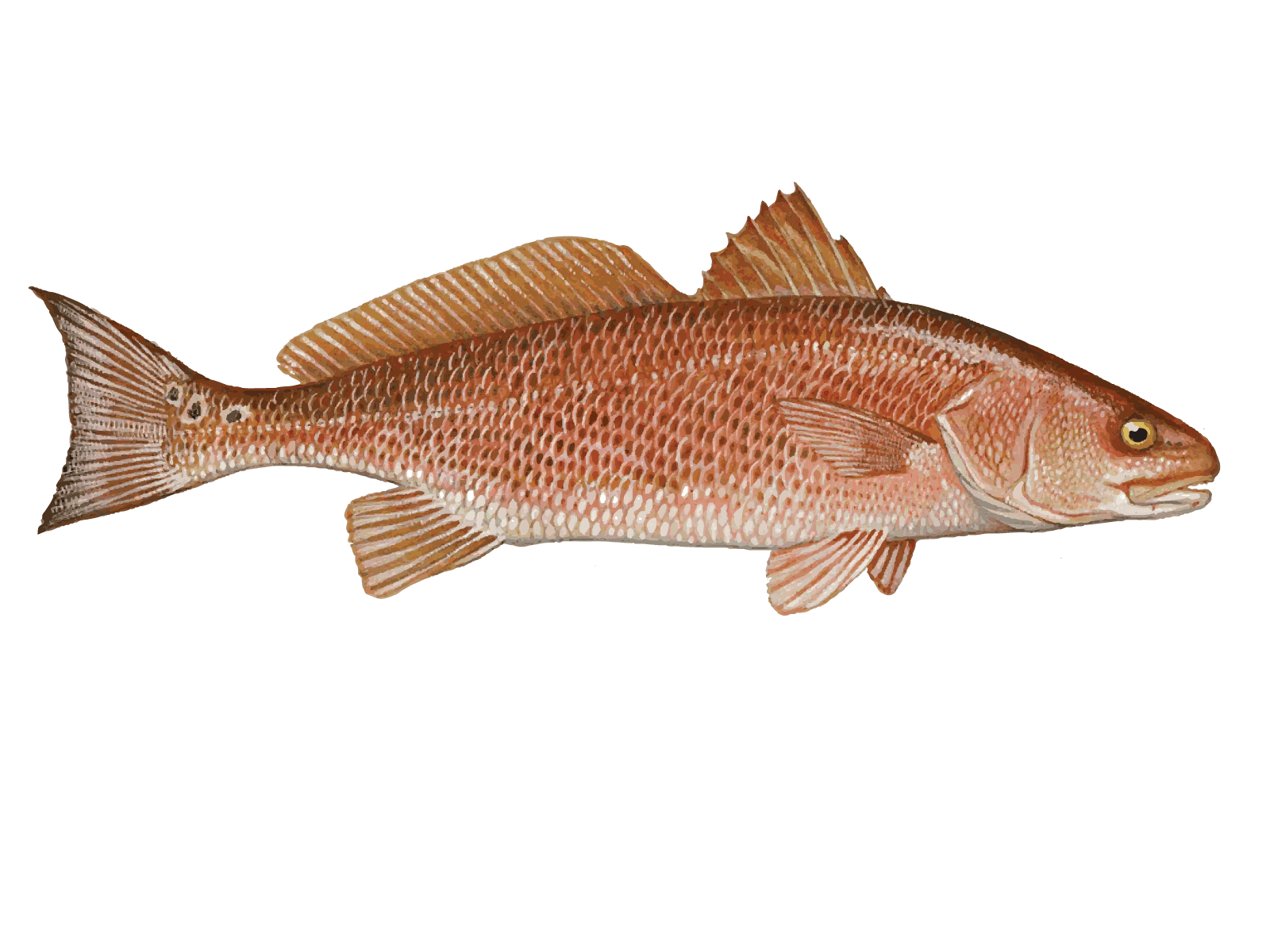
 Redfish
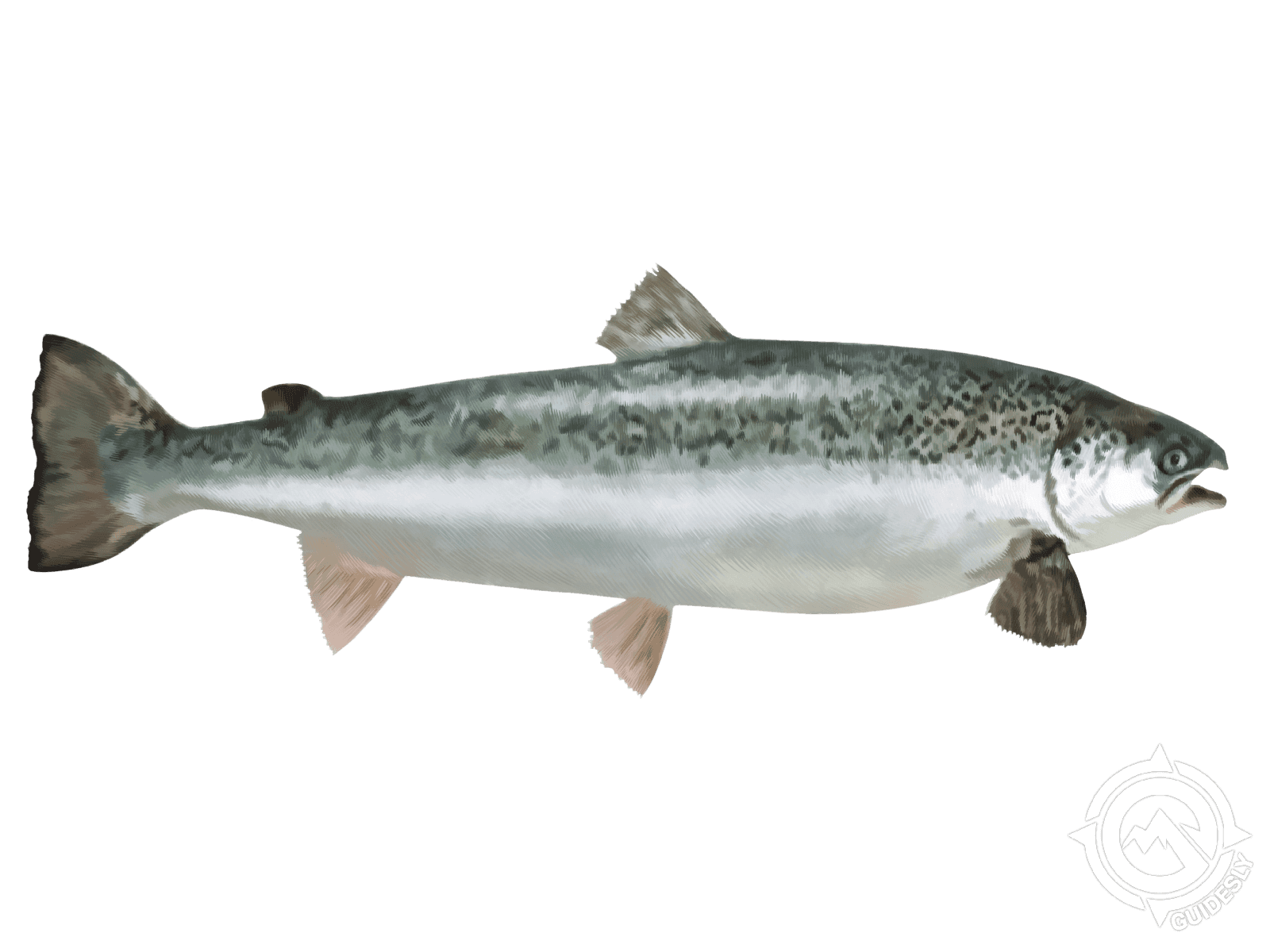
 Sea Trout
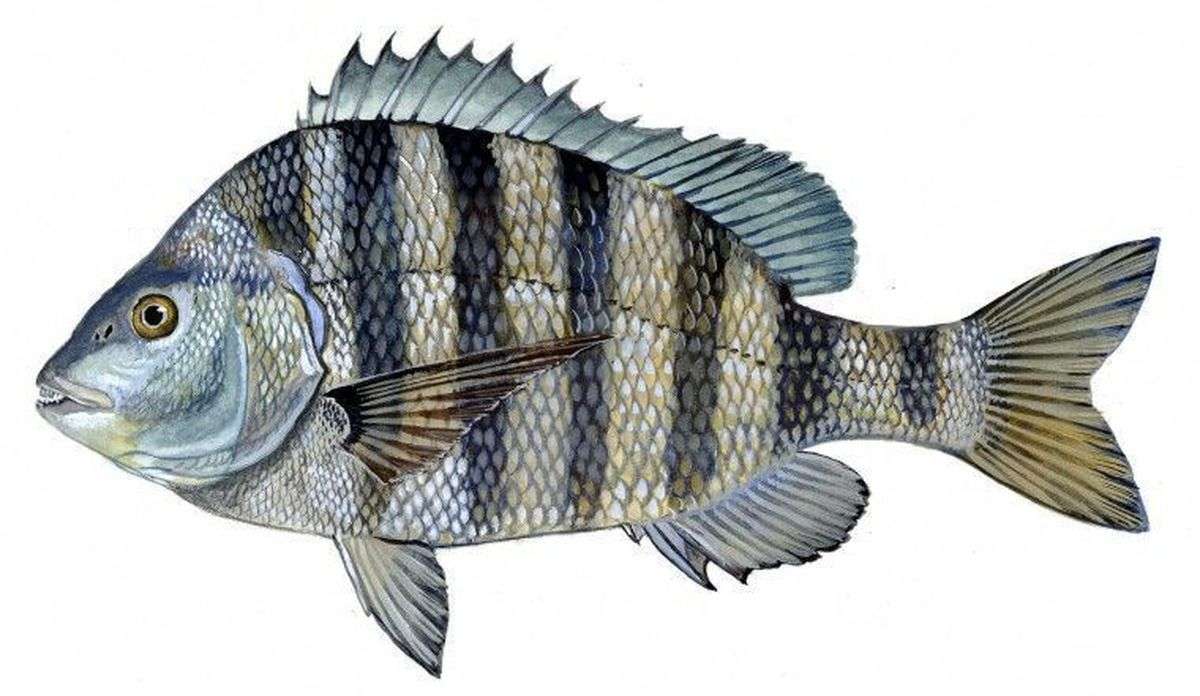
 Sheepshead
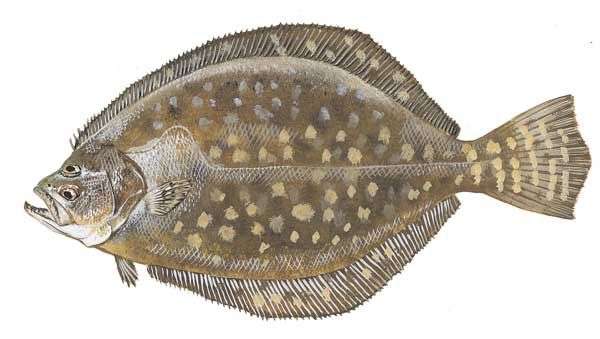
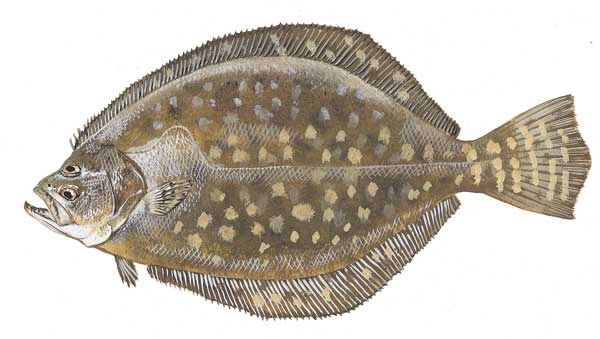 Southern Flounder
- Captain Brent takes you out for six hours of solid fishing off Charleston's coast, targeting everything from sheepshead to red drum and sea trout. This private charter handles up to three people and focuses on nearshore reef fishing, though he'll adjust to inshore waters if the weather doesn't cooperate. You'll get all the gear, live bait, and fishing licenses included, plus he works around the tides to give you the best shot at landing fish. The flexible timing means you're fishing when conditions are right, not just when it's convenient. It's a good middle ground
- you get that offshore experience without going too far from Charleston's familiar waters.
Trip Pricing and Availabilities:
6-Hour Charleston Inshore Fishing Adventure
Captain Brent's extended half-day charter puts you right in the sweet spot of Charleston's fishing scene. This 6-hour private trip takes up to three anglers to productive nearshore reefs where the action stays steady and the fish cooperate. You'll be targeting the area's bread-and-butter species – redfish, trout, flounder, and sheepshead – in waters that consistently produce quality catches. Starting at $900 for solo anglers with $50 per additional guest, this top-rated charter includes everything you need: tackle, live bait, and fishing licenses. Captain Brent works with the tides and weather to put you on fish, adjusting locations as needed to ensure your day on the water delivers.
What to Expect on the Water
This charter strikes the perfect balance between adventure and accessibility. You'll fish nearshore reefs when conditions allow, working structure that holds quality fish year-round. Captain Brent knows these waters like the back of his hand and adjusts start times based on tide movements – the key to successful inshore fishing in Charleston. Weather plays a big role here, and if nearshore conditions get rough, the trip shifts to protected inshore waters at an adjusted rate. That flexibility means you're fishing regardless of what Mother Nature throws your way. The 6-hour timeframe gives you plenty of opportunity to work different spots, try various techniques, and really dial in on what the fish want. With a maximum of three guests, you get personalized attention and coaching that makes novice anglers feel confident while keeping experienced fishermen engaged.
Tactics and Techniques
Captain Brent employs a mix of bottom fishing and sight casting depending on conditions and target species. On nearshore reefs, you'll drop live and cut bait to structure that holds sheepshead, black drum, and red drum. These fish relate to hard bottom and artificial reefs, so expect to work vertical presentations with circle hooks and just enough weight to maintain contact with bottom in the current. When targeting trout and redfish in shallower water, the approach shifts to lighter tackle and more finesse. Live shrimp under popping corks, soft plastics on jigheads, and topwater plugs all come into play. The captain provides quality gear suited to Charleston's inshore fishery – medium action spinning rods paired with reels that can handle everything from 15-inch trout to 30-pound red drum. Live bait is always on board, typically including shrimp, mud minnows, and whatever baitfish are running. Circle hooks are standard for most applications, reducing fish mortality while improving hookup ratios.
Species You'll Want to Hook
Southern Flounder represent some of the most rewarding catches in Charleston's inshore waters. These flatfish ambush prey from sandy bottoms near structure, growing to impressive sizes that surprise first-time anglers. Fall months produce the best flounder action as fish stage for their offshore spawning migration. They're phenomenal table fare and put up a surprisingly strong fight for their shape. Look for flounder around dock pilings, creek mouths, and drop-offs where current creates feeding opportunities.
Sheepshead fishing around Charleston reaches world-class levels, particularly during winter months when these black-and-white striped fish stack up on nearshore reefs and inshore structure. Known for their human-like teeth and notorious bait-stealing abilities, sheepshead require patience and skill to hook consistently. They feed heavily on barnacles, oysters, and crabs around hard structure. Captain Brent's local knowledge of productive sheepshead spots gives anglers the best shot at these prized fish, which are considered some of the finest eating in coastal waters.
Sea Trout provide consistent action throughout much of the year in Charleston's grass flats and creek systems. These spotted beauties respond well to both live bait and artificial lures, making them perfect for anglers wanting to learn different techniques. Spring and fall produce the largest specimens, with fish pushing 20 inches not uncommon. Trout are incredibly structure-oriented, relating to oyster bars, grass beds, and creek edges where they ambush shrimp and small baitfish. Their aggressive strikes and acrobatic fights make them a customer favorite.
Redfish are the crown jewel of Charleston's inshore fishery. These copper-colored bruisers grow large in the area's marsh systems and provide some of the most memorable fights you'll experience. Red drum spawn offshore but spend much of their adult lives in shallow water, often pushing into water so thin their backs show above the surface. Charleston's redfish population remains robust, with fish ranging from slot-sized specimens perfect for dinner to oversized bulls that test tackle and angler endurance. They eat everything from live shrimp to large topwater plugs, adapting their feeding behavior to available forage and water conditions.
Time to Book Your Spot
Captain Brent's extended half-day charter delivers exactly what serious anglers want – quality time on productive water with a guide who knows how to put you on fish. The 6-hour format gives you room to explore different techniques and locations without feeling rushed. Weather flexibility ensures your trip happens regardless of conditions, and the inclusion of all gear, bait, and licenses means you just show up ready to fish. This private charter experience caters to your group's skill level and interests, whether you're after dinner fish or just want to experience Charleston's renowned inshore fishery. Remember that 20% tip for excellent service – Captain Brent's local expertise and dedication to putting guests on fish makes this one of Charleston's best fishing values.
Learn more about the species
Redfish
Red drum are the crown jewel of Charleston inshore fishing, with that copper-bronze color and distinctive black spot near the tail. Our slot fish typically run 20-27 inches, but we see plenty of oversized bulls in the 30+ inch range that'll test your drag. They love super shallow flats, oyster beds, and creek edges in just 1-4 feet of water - sometimes so shallow their backs show above water. Year-round fishing is good, but fall is prime time when big schools move through feeding heavy before winter. What makes them special is that explosive strike in skinny water and the bulldogging fight that follows. They're also excellent eating within the slot. These fish aren't spooky like some species - they'll eat everything from topwater plugs to live shrimp. Local trick: when sight fishing, cast well ahead of cruising reds and let your bait settle. They follow predictable patterns along oyster bars and grass edges.
Sea Trout
Speckled trout are the bread and butter of Charleston's inshore fishing, with those beautiful gold spots scattered across their silver sides. Most fish run 14-20 inches with good eating size, though we catch some nice gator trout pushing 24+ inches during cooler months. They love grass flats, creek mouths, and deeper holes from 3-12 feet deep. Fall and winter are prime time when they school up in deeper channels and around structure. Spring brings great action too as they move shallow to feed. What makes them special is their willingness to hit both live bait and artificials, plus they're phenomenal eating with tender, white meat. The fight is scrappy but not overpowering, perfect for lighter tackle. Pro tip: during cold fronts, look for them in deeper holes around creek bends where the water stays a bit warmer. Use a slow retrieve with soft plastics or live shrimp under a popping cork.
Sheepshead
Those black and white "convict" stripes make sheepshead easy to spot around docks, bridges, and jetties. They're built for crushing barnacles and crabs with human-like teeth that'll surprise you. Most fish we catch run 2-5 pounds and 14-18 inches, but Charleston's structure holds some 8+ pounders. Look for them anywhere there's barnacle-covered pilings, rock piles, or reef structure in 10-30 feet. Spring spawning season from March through May is when they're most active and feeding heavy. What guests love is the challenge - they're notorious bait thieves that'll clean your hook without you feeling it. The meat is sweet and flaky, making them top table fare despite the tough cleaning. My tip: use small hooks with fresh shrimp or fiddler crabs, keep your bait tight to structure, and set the hook hard the moment you feel weight. They have strong mouths that require an aggressive hookset.
Southern Flounder
These flatfish are masters of disguise, lying buried in sandy or muddy bottoms waiting to ambush prey. Most run 15-18 inches around Charleston, but we catch some nice ones pushing 25+ inches. You'll spot them by both eyes being on the left side and those distinctive dark blotches. They love shallow bays, creek mouths, and drop-offs from 2-15 feet. Fall through early spring is prime time when they're feeding heavy before moving offshore to spawn. What makes them fun is the surprise factor - one second your bait's sitting there, next you've got a strong, steady pull. They're also fantastic eating with sweet, white meat. Here's a local trick: when drift fishing, let your bait hit bottom then lift it just a foot or two. Flounder rarely chase bait far, so keep it in the strike zone near the bottom where they're waiting.
About the 220 Bay Scout (Bay boat)
Vehicle Guest Capacity: 6
Manufacturer Name: Yamaha
Maximum Cruising Speed: 35
Number of Engines: 1
Horsepower per Engine: 200